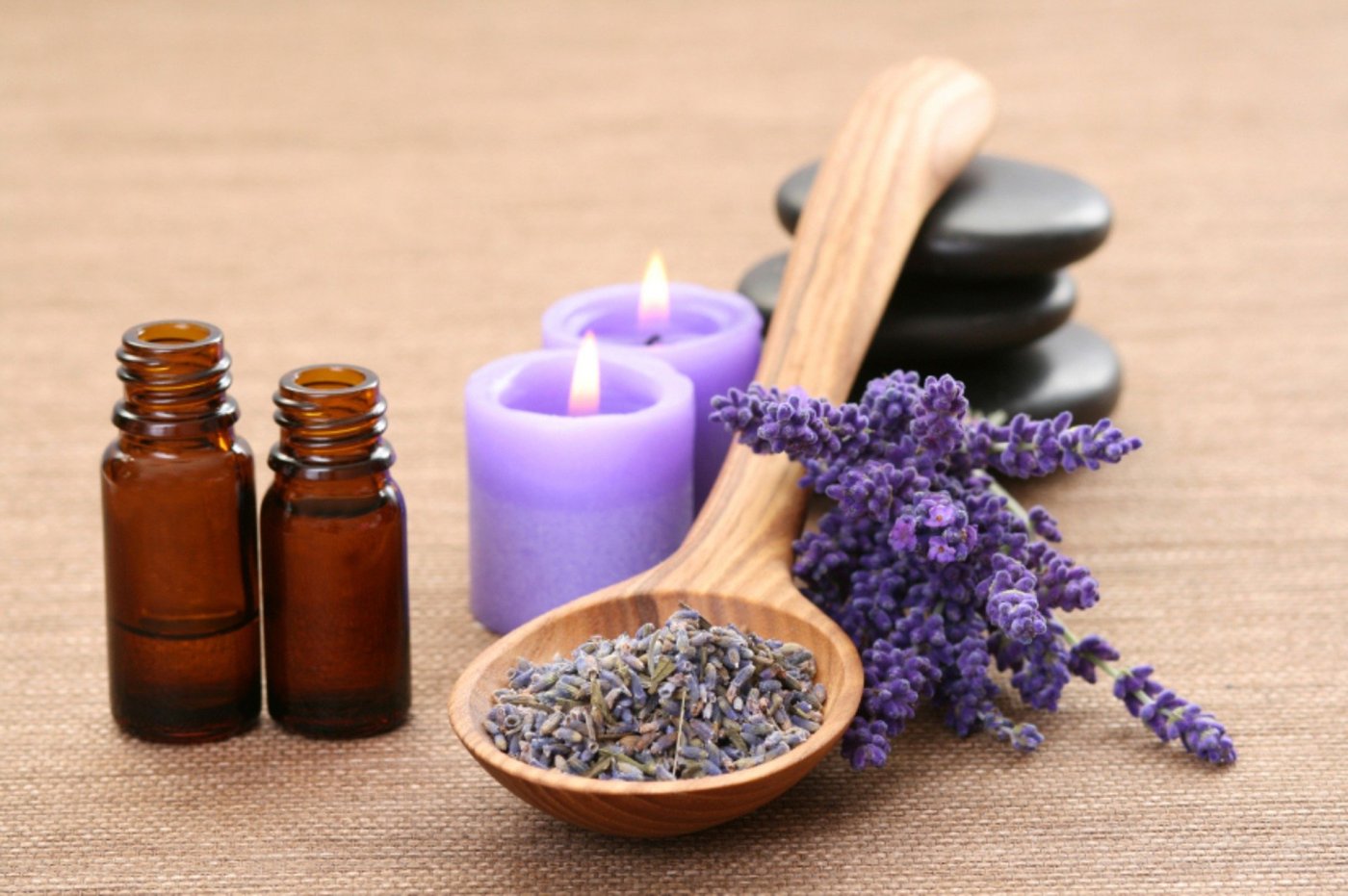
Lavender: an oil I would never be without.
This is one of the most common, well known, and frequently used essential oils… but it is far from having a common history and benefits!
Lavender History
Lavender has been around and used for centuries. It was used for perfume and the mummification process by the Egyptians. In 1923, it is said that the scent of lavender could be detected when they opened King Tut’s tomb…over 3,000 years later!
The Romans used lavender in bathing and for purifying the air, the Greeks used it for insomnia and mental health and during medieval times it was used for perfume, bathing and repelling insects.
Lavender was one of the oils and herbs that people and physicians used to ward of the plague in Europe. I was even surprised to discover this: remember those creepy looking bird beak doctor’s masks? There was actually a reason they looked that way, and no…it was not to scare away the sickness (though it would have been a good try!). During the time of the great plague, physicians would place herbs and oils in the beak of the mask so they could help protect themselves when they were in the homes of the sick by breathing in these herbs. Lavender was one of them, along with clove, cinnamon, mint and myrrh.
Lavender Benefits
Lavender may be one of the most basic and common essential oils out there (let’s be honest, nearly everyone knows about lavender essential oil)… but there is nothing basic about its uses. Lavender is packed with so many health benefits and can be very useful to you in a variety of ways. These are just a few to scratch the surface and help you get started:
- Improve Mood and Stress
Because of its sedative and calming abilities, lavender is a good oil for relaxing from stress and helping to improve your mood.
You can apply a few drops topically behind your ears, diffuse it around your house or inhale directly from the bottle, or you can even add a few drops into an Epsom salt bath for a relaxing end to your day to help detox from stress. - Skin Health
Lavender has high antimicrobial, antioxidant and anti-inflammatory properties. This makes it a favorite for easing minor skin issues (itchiness, bugs, hot spots, scars, etc.).
I like to apply this topically, sometimes mixed with a drop of Frankincense, on the problem spot. You can also mix it with coconut oil as a carrier and for an added soother.
**Note: PLEASE, PLEASE, make sure you are using TRUE lavender when applying to the skin. The label should read Lavendula angustifolia. Lavandin, or Lavandula hybrida, is a hybrid of lavender that does NOT have the same properties. - Improve Sleep
Due to its sedative and calming properties, lavender is one of the most well known oils used to improve sleep.
Put a diffuser by your bed and diffuse oils while you sleep at night or in the in the room while you are winding down in the evening. You can also use it topically behind your ears or on your pillow for similar results. - Mental and Brain Health
We’ve already covered lavender’s effect on stress and sleep, both of which have a big impact on the brain and mental health, but another benefit is its effect on your head when it starts to hurt. Lavender can help to relax you and relieve tension.
You can put a couple of drops at the back of your neck or on your temples (just be careful to avoid getting too close to your eyes). Mixing it with a drop of peppermint oil can also help to bring relaxation and an ease of tension. You can also diffuse it or inhale directly from the bottle.
Lavender Uses and Cautions
Lavender is one of the gentle oils, but we should still take cautions not to abuse it and not everyone will react to it the same way.
A few of my favorite ways to use lavender oil for sleep or stress is to place a few drops in my diffuser (you can mix it with another oil, such as lemon, or by itself), sprinkle a drop or two on my pillow at night or place a drop behind each ear and on my wrists.
You can add a few drops to a glass spray bottle and fill it with water, shake well and you have an air purifying spray, a mister for your pillow, or a deterrant for pesky bugs.
You can also add a drop or two to some water or homemade lemonade! Just PLEASE, make sure you only use the HIGHEST QUALITY oils when you ingest any.
As I have mentioned before in my Essential Oil Safety post, it is always wise to check with your doctor before using any essential oil if you are taking medications, as they could interact with certain medications; and while lavender is generally considered safe to use during pregnancy, you should still take precautions and talk to your doctor if you are new to oils or ever unsure.
Like I said, lavender is generally considered safe for most people and it is a very gentle oil, but if you are trying lavender topically for the first time or just don’t know how your body will react to it, dilute it with a carrier oil (such as coconut or jojoba) and patch test it on a small part of your skin (such as your wrist). NEVER place ANY essential oil on sensitive parts of the body, such as the eyes, ear canals or any private or tender parts.
Remember your three “Ds”: When in Doubt, Dilute and Diffuse!
One extra caution: True lavender is often adulterated with hybrid lavender, called lavandin. This is heated to evaporate camphor and mixed with synthetic linalyl acetate to improve the fragrance. This can be very dangerous to apply if you are looking for the general lavender uses. You can come up with the opposite effects you intended. Lavandin contains high levels of camphor that can burn the skin, while true lavender contains almost no camphor and contains agents to help ease the burning sensation. PLEASE, READ THE LABELS! You want to see Lavendula angustifolia, which is pure lavender, and NOTHING ELSE.


 Preserving Foundations
The lavender history was interesting to read!
LikeLike