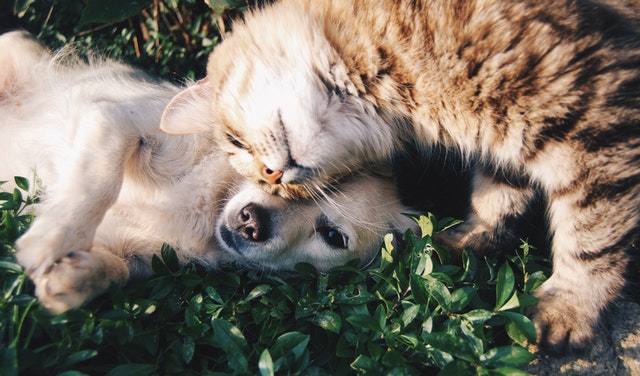
If you have entered my small corner of the internet, then I’m sure you’re already familiar with how incredibly potent, fragrant and beneficial essential oils can be to your health. But have you ever tried essential oils for pets?
While using essential oils for pets is known to have its benefits, it’s vital to know which oils are safe to use, how to use them, and, just like people, each animal is different and may react uniquely to a particular oil. It’s also crucial to remember that a little goes a long way with pets (the same is true when using oils with children). There are a good amount of essential oils that have been deemed safe and helpful to pet health. However, there are also many that are toxic to dogs and cats.
The Best Essential Oils for Pets
Dogs:
- Cedarwood
- Chamomile
- Frankincense
- Geranium
- Lavender
- Lemongrass
- Peppermint
Cats:
- Cardamom
- Fennel
- Frankincense
- Helichrysum
- Spearmint
Oils to NEVER Use With Pets
Just because essential oils are natural and carry many health benefits, does not mean that you can use any oil in any way you like without problems. To be on the safe side, if you are ever unsure, you can always talk to your veterinarian before using essential oils for animals. Cats are especially at risk for essential oil reactions. It’s vital that you choose 100 percent pure, therapeutic-grade and certified USDA organic essential oils free of additives for use with your pets.
Both cats and dogs have very sensitive senses of smell, so essential oils should always be used in small amounts and diluted with a carrier oil. It’s also important to remember what oils you can and cannot use in your diffuser around your pet. When using a diffuser, make sure to provide an escape route so your pet doesn’t feel trapped. DO NOT force the use of any oils on pets when they clearly do not like them.
The list of toxic essential oils varies between cats and dogs. Remember that each pet can react differently to certain essential oils. Your pet could have a negative reaction to an oil even if it isn’t on the list below. These lists are not exhaustive, but include some common essential oils known to be problematic for dogs and cats.
Dogs:
- Clove
- Juniper
- Rosemary
- Tea Tree
- Thyme
- Wintergreen
Cats:
- Cassia
- Cinnamon
- Clove
- Eucalyptus
- Lavender
- Lemon
- Peppermint
- Spruce
- Tea Tree
- Thyme
Any Animals:
- Birch
- Clove
- Hyssop
- Juniper (With the exception of Juniper Berry)
- Oregano
- Tansy
- Tea Tree
- Thyme
- Wintergreen
How to Use Oils With Pets
Just like with oils you use on yourself, quality is SUPER important. You should only use 100 percent pure organic essential oils for your pets (don’t skimp on price!). You should also always dilute them before application unless otherwise directed by your veterinarian.
How much oil should you use? Recommendations vary, and you should ask your vet if you’re feeling unsure, but a safe bet is starting with a single drop of essential oil in 50 drops of carrier oil, such as coconut oil. You can also use three to six drops of essential oil to one ounce of carrier oil. It’s important to adjust the amount of oils you use, depending on your pet’s size and age. It’s recommended to use a 1:1 ratio for animals over 30 pounds.
How to use your oils with pets? One of the safest ways is put one to two drops of essential oil in a diffuser and allow to diffuse the living space for 10 to 15 minutes. You can also place a few drops in water in a spray bottle and gently mist your pet. Use an oil for no more than two weeks and then provide a rest period.
Essential Oil Benefits
- Frankincense – Supports liver, brain, bladder and kidneys. Reduces sadness and cools inflammation.
- Helichrysum – Supports muscle health, helps circulation and can aid in soothing wounds.
- Lavender – Reduces stress, fear, anxiety and sadness. Helps soothe wounds and burns, supports the immune system and cools inflammation.
- Lemongrass – Supports healthy muscles, helps eliminate parasites and supports bladder and thyroid. It is also good for helping to repel insects.
Final Precautions
- Be familiar with your pet’s health status, and check with your vet to make sure no essential oils are harmful for your pet due to its breed or a health condition, or if your pet is taking any medications.
- Observe your pet’s reaction to essential oils, and stop using them if you observe any adverse reactions.
- NEVER use essentials oils for pets around delicate areas, including the eyes, ears, nose and genitals.
- Do not add essential oils to your pet’s food or drinking water unless instructed to by your vet.
- Do not use essential oils with puppies under 10 weeks of age.
- Do not use oils on epileptic pets who are prone to seizures.
- If your pet is pregnant or nursing, check with your vet before using any essential oils and be especially careful with introducing her to essential oils. This may even include using oils on yourself in her vicinity.
Basically, be smart, use common sense, and be observant to how your pet reacts to each oil. Rotate your oils so you don’t use the same one for long periods at a time. And don’t push any oil on them that they don’t like the smell of. Honestly, sometimes our animals are smarter than we are! 🙂


 Preserving Foundations
Leave a comment